The holiday season is when most people go on shopping sprees and travel. This season also witnesses a surge in online activities in today’s digital world. Unfortunately, cybercriminals take advantage of this period to launch attacks. Therefore, cybersecurity should be the top priority for a business gearing up for peak sales or a shopper looking for the best deal.
Understanding Holiday Cyber Threats
Businesses and consumers face unique challenges during the holiday season. For businesses, the increase in traffic and online transactions can overwhelm systems. This may make them vulnerable to attacks. Cybercriminals may use tactics such as ransomware, phishing scams and fraudulent transactions during the busy season. Consumers, on the other hand, get lured by malicious ads, fake websites and phishing emails that may appear as irresistible holiday deals.
Recognizing these risks is important to staying safe for both businesses and consumers. Understanding them also means taking proactive measures to reduce exposure to cyber threats.
Why Cybersecurity Matters
The lack of effective cybersecurity can lead to financial loss, reputational damage and disruption to a businesses’ operations. On the other hand, consumers face identity theft, unauthorized purchases and compromised financial accounts.
According to the Retail and Hospitality Information Sharing and Analysis Center (RH-ISAC), threats such as ransomware, phishing, and account takeover (ATO) attacks intensify as consumer activity surges. In their 2024 Holiday Season Cyber Threat Trends Report, RH-ISAC emphasizes proactive defense measures, especially during high-traffic periods like the holiday season.
Cybersecurity Best Practices for Businesses
Security measures for businesses include:
Set up a holiday strategy – over the long holidays, businesses tend to have a change in work schedules and fewer staff members. Having a holiday cybersecurity strategy can safeguard against potential cyber threats. This can include an emergency response plan and designating responsible individuals for cybersecurity.
Endpoint security – this involves protecting devices like computers and smartphones used in the business. It is important to update all software, install antivirus programs and enable firewalls to shield the business network from intrusions.
Employee training – human error is one of the leading causes of data breaches. Therefore, it is important to educate staff to recognize phishing attempts. They should also know the importance of strong passwords and reporting suspicious activity.
Monitoring systems for unusual activity – This requires a business to invest in tools that help detect suspicious behavior in its networks. This should include fraud detection systems that will help identify unusual transaction patterns. It also helps detect potential compromises from third-party vendors.
Backup and recovery plan – business continuity in case of an attack is crucial. Therefore, a business should ensure that data is regularly backed up and stored securely. It also helps to test the recovery process regularly.
Cybersecurity Best Practices for Shoppers
Consumers are not immune to holiday cyber-attacks. A consumer must keep the following in mind:
Shop from secure websites – shoppers should be cautious by checking website security. They should check that a website includes “https://” and a padlock icon in the URL. Also, confirm the correct name of the website. It is also important to avoid clicking on links from unsolicited emails or social media ads. This is a common phishing tactic.
Use secure payment methods – a credit card provides better fraud protection than a debit card. Consider digital wallets that have an extra layer of encryption. It is also crucial to avoid saving payment details on websites.
Avoid public wi-fi – shopping on the go may see some shoppers use public networks. These networks expose data to hackers.
Be wary of emails and messages with deals that sound too good to be true. Always verify sender authentication and, where necessary, contact the company directly.
Be cautious about unexpected package notifications. Unexpected package notifications can be a phishing tactic to steal personal information or install malware. Always verify the sender and avoid clicking on links in unsolicited messages.
Be cautious of holiday scams like fake charities, gift card scams and fake gift exchanges that prey on the season’s generosity and excitement. Scammers may trick customers into buying gift cards or sharing personal details through fraudulent schemes. Staying skeptical of unsolicited offers and never sharing sensitive information with unverified sources will help ward off cybercriminal attacks.
Activate multi-factor authentication (MFA) – adding MFA creates an extra layer of security for highly sensitive accounts such as email, bank, and work-related logins.
Closing Thoughts
The holiday season is meant to be a time of celebration and connection, not worry and stress. By implementing robust cybersecurity practices, businesses can protect their operations and customers while shoppers enjoy safe, hassle-free transactions.
JR Wright Business Advisory Services
Cybersecurity Best Practices for the Holiday Season
December 1, 2024 · Blog, What's New in Technology
⏱ 4 min read
The holiday season is when most people go on shopping sprees and travel. This season also witnesses a surge in online activities in today’s digital world. Unfortunately, cybercriminals take advantage of this period to launch attacks. Therefore, cybersecurity should be the top priority for a business gearing up for peak sales or a shopper looking for the best deal.
Understanding Holiday Cyber Threats
Businesses and consumers face unique challenges during the holiday season. For businesses, the increase in traffic and online transactions can overwhelm systems. This may make them vulnerable to attacks. Cybercriminals may use tactics such as ransomware, phishing scams and fraudulent transactions during the busy season. Consumers, on the other hand, get lured by malicious ads, fake websites and phishing emails that may appear as irresistible holiday deals.
Recognizing these risks is important to staying safe for both businesses and consumers. Understanding them also means taking proactive measures to reduce exposure to cyber threats.
Why Cybersecurity Matters
The lack of effective cybersecurity can lead to financial loss, reputational damage and disruption to a businesses’ operations. On the other hand, consumers face identity theft, unauthorized purchases and compromised financial accounts.
According to the Retail and Hospitality Information Sharing and Analysis Center (RH-ISAC), threats such as ransomware, phishing, and account takeover (ATO) attacks intensify as consumer activity surges. In their 2024 Holiday Season Cyber Threat Trends Report, RH-ISAC emphasizes proactive defense measures, especially during high-traffic periods like the holiday season.
Cybersecurity Best Practices for Businesses
Security measures for businesses include:
Set up a holiday strategy – over the long holidays, businesses tend to have a change in work schedules and fewer staff members. Having a holiday cybersecurity strategy can safeguard against potential cyber threats. This can include an emergency response plan and designating responsible individuals for cybersecurity.
Endpoint security – this involves protecting devices like computers and smartphones used in the business. It is important to update all software, install antivirus programs and enable firewalls to shield the business network from intrusions.
Employee training – human error is one of the leading causes of data breaches. Therefore, it is important to educate staff to recognize phishing attempts. They should also know the importance of strong passwords and reporting suspicious activity.
Monitoring systems for unusual activity – This requires a business to invest in tools that help detect suspicious behavior in its networks. This should include fraud detection systems that will help identify unusual transaction patterns. It also helps detect potential compromises from third-party vendors.
Backup and recovery plan – business continuity in case of an attack is crucial. Therefore, a business should ensure that data is regularly backed up and stored securely. It also helps to test the recovery process regularly.
Cybersecurity Best Practices for Shoppers
Consumers are not immune to holiday cyber-attacks. A consumer must keep the following in mind:
Shop from secure websites – shoppers should be cautious by checking website security. They should check that a website includes “https://” and a padlock icon in the URL. Also, confirm the correct name of the website. It is also important to avoid clicking on links from unsolicited emails or social media ads. This is a common phishing tactic.
Use secure payment methods – a credit card provides better fraud protection than a debit card. Consider digital wallets that have an extra layer of encryption. It is also crucial to avoid saving payment details on websites.
Avoid public wi-fi – shopping on the go may see some shoppers use public networks. These networks expose data to hackers.
Be wary of emails and messages with deals that sound too good to be true. Always verify sender authentication and, where necessary, contact the company directly.
Be cautious about unexpected package notifications. Unexpected package notifications can be a phishing tactic to steal personal information or install malware. Always verify the sender and avoid clicking on links in unsolicited messages.
Be cautious of holiday scams like fake charities, gift card scams and fake gift exchanges that prey on the season’s generosity and excitement. Scammers may trick customers into buying gift cards or sharing personal details through fraudulent schemes. Staying skeptical of unsolicited offers and never sharing sensitive information with unverified sources will help ward off cybercriminal attacks.
Activate multi-factor authentication (MFA) – adding MFA creates an extra layer of security for highly sensitive accounts such as email, bank, and work-related logins.
Closing Thoughts
The holiday season is meant to be a time of celebration and connection, not worry and stress. By implementing robust cybersecurity practices, businesses can protect their operations and customers while shoppers enjoy safe, hassle-free transactions.
Disclaimer
These articles are intended to provide general resources for the tax and accounting needs of small businesses and individuals. Service2Client LLC is the author, but is not engaged in rendering specific legal, accounting, financial or professional advice. Service2Client LLC makes no representation that the recommendations of Service2Client LLC will achieve any result. The NSAD has not reviewed any of the Service2Client LLC content. Readers are encouraged to contact a professional regarding the topics in these articles. The images linked to these articles are protected by copyright and should not be copied for any reason.
Social media has evolved from a simple networking platform to a powerful business tool. Businesses today use these platforms with billions of active users worldwide to connect with their target audience. Social media allows businesses of all sizes to reach audiences in a way that traditional advertising, such as print or television, cannot.
The Role of Social Media Marketing in Business Growth
Social media marketing uses social media platforms such as Facebook, LinkedIn, Instagram and TikTok to promote a business’ products or services. This is done through sharing content like posts, videos and ads to engage a targeted audience and eventually make sales.
With 5.22 billion social media users as of October 2024, businesses can reach customers around the world with ease. The platforms are also suitable for sharing information, enabling companies to communicate with customers about promotions, events or new products or services.
Each platform offers different strengths, and a business can choose which ones suit its target audience. For instance, LinkedIn is more professional and a good platform for B2B opportunities. On the other hand, TikTok and Instagram are suitable for visual storytelling, making them good places to showcase products.
Benefits of Social Media Marketing
Some of the key benefits of marketing on social media include the following:
Increased Brand Awareness Consistently and strategically posting on social media enhances brand visibility. A brand gains recognition as users engage with the content through likes, comments, and shares. Content that goes viral expands a business’ reach, introducing new audiences to the brand.
Improved Customer Engagement Social media gives businesses a direct line to customers. Whether replying to comments or through direct messages, these interactions help build trust and create a sense of loyalty. This two-way communication gives businesses a better understanding of customers’ needs while also allowing them to respond quickly to inquiries and feedback.
Cost-Effective Advertising Unlike traditional advertising, social media offers cost-effective marketing solutions. With social media, a business can run targeted ads based on demographics, interests or behaviors. This ensures they reach the right audience without wasting resources. This makes it possible for small businesses to leverage paid campaigns to increase their reach while staying within their budget.
Measurable Results and Analytics Social media marketing offers the ability to measure results through built-in analytic tools. A business can monitor follower growth, engagement rates, link clicks, and conversions. Such data-driven insights help businesses identify what is working, fine-tune their strategies, and continuously improve their campaigns.
Drive Website Traffic and Sales Sharing links to a business website on social media drives traffic to the site and increases conversions.
Social Media Strategies that Help in Business Growth
Content Marketing Creating engaging content is crucial in social media marketing. This involves using text, videos, images and infographics to capture the audience’s attention. One powerful tool in content marketing is storytelling – using emotional and relatable stories to connect with audiences will enhance loyalty and trust.
Influencer Marketing Influencers have huge followings, and their endorsements can significantly help a business. However, partnering with the right influencer is important to attract new customers and boost credibility.
Paid Ads and Promotions With paid ads, a business targets specific audiences in terms of location, age and interests. Social media also enables retargeting campaigns, which remind users about products they have previously viewed.
Community Building Social media allows a business to create a community for long-term relationships. This is done through creating groups or pages. These communities develop a sense of belonging, and customers are more likely to engage with the business over time and recommend it to others.
Challenges and How to Overcome Them
Staying Relevant in a Crowded Space Many businesses compete for customer attention, and standing out can be challenging. Therefore, businesses should keep up with social media trends, experiment with new formats and regularly update their strategies to align with changing consumer preferences.
Managing Negative Feedback Publicly Businesses may face criticism or negative feedback. Handling these situations professionally is crucial. It calls for prompt responses that show empathy and a willingness to resolve issues. This demonstrates accountability, which can turn a negative experience into an opportunity to build trust.
Creating Consistent Content Maintaining a steady flow of content can be overwhelming, especially for small businesses. Content calendars and automation tools can help plan posts in advance, ensuring consistent engagement without added stress. Repurposing existing content across platforms is another way to save time and effort.
Conclusion
Social media marketing has become a game-changer for businesses seeking growth in the digital age. It provides cost-effective ways to build brand awareness, engage with customers, and measure real-time success. However, success requires more than just presence – it demands strategic planning, creativity, and adaptability to overcome challenges and maintain relevance.
JR Wright Business Advisory Services
Social Media Marketing: A Game-Changer for Business Growth
November 1, 2024 · Blog, What's New in Technology
⏱ 4 min read
Social media has evolved from a simple networking platform to a powerful business tool. Businesses today use these platforms with billions of active users worldwide to connect with their target audience. Social media allows businesses of all sizes to reach audiences in a way that traditional advertising, such as print or television, cannot.
The Role of Social Media Marketing in Business Growth
Social media marketing uses social media platforms such as Facebook, LinkedIn, Instagram and TikTok to promote a business’ products or services. This is done through sharing content like posts, videos and ads to engage a targeted audience and eventually make sales.
With 5.22 billion social media users as of October 2024, businesses can reach customers around the world with ease. The platforms are also suitable for sharing information, enabling companies to communicate with customers about promotions, events or new products or services.
Each platform offers different strengths, and a business can choose which ones suit its target audience. For instance, LinkedIn is more professional and a good platform for B2B opportunities. On the other hand, TikTok and Instagram are suitable for visual storytelling, making them good places to showcase products.
Benefits of Social Media Marketing
Some of the key benefits of marketing on social media include the following:
Increased Brand Awareness Consistently and strategically posting on social media enhances brand visibility. A brand gains recognition as users engage with the content through likes, comments, and shares. Content that goes viral expands a business’ reach, introducing new audiences to the brand.
Improved Customer Engagement Social media gives businesses a direct line to customers. Whether replying to comments or through direct messages, these interactions help build trust and create a sense of loyalty. This two-way communication gives businesses a better understanding of customers’ needs while also allowing them to respond quickly to inquiries and feedback.
Cost-Effective Advertising Unlike traditional advertising, social media offers cost-effective marketing solutions. With social media, a business can run targeted ads based on demographics, interests or behaviors. This ensures they reach the right audience without wasting resources. This makes it possible for small businesses to leverage paid campaigns to increase their reach while staying within their budget.
Measurable Results and Analytics Social media marketing offers the ability to measure results through built-in analytic tools. A business can monitor follower growth, engagement rates, link clicks, and conversions. Such data-driven insights help businesses identify what is working, fine-tune their strategies, and continuously improve their campaigns.
Drive Website Traffic and Sales Sharing links to a business website on social media drives traffic to the site and increases conversions.
Social Media Strategies that Help in Business Growth
Content Marketing Creating engaging content is crucial in social media marketing. This involves using text, videos, images and infographics to capture the audience’s attention. One powerful tool in content marketing is storytelling – using emotional and relatable stories to connect with audiences will enhance loyalty and trust.
Influencer Marketing Influencers have huge followings, and their endorsements can significantly help a business. However, partnering with the right influencer is important to attract new customers and boost credibility.
Paid Ads and Promotions With paid ads, a business targets specific audiences in terms of location, age and interests. Social media also enables retargeting campaigns, which remind users about products they have previously viewed.
Community Building Social media allows a business to create a community for long-term relationships. This is done through creating groups or pages. These communities develop a sense of belonging, and customers are more likely to engage with the business over time and recommend it to others.
Challenges and How to Overcome Them
Staying Relevant in a Crowded Space Many businesses compete for customer attention, and standing out can be challenging. Therefore, businesses should keep up with social media trends, experiment with new formats and regularly update their strategies to align with changing consumer preferences.
Managing Negative Feedback Publicly Businesses may face criticism or negative feedback. Handling these situations professionally is crucial. It calls for prompt responses that show empathy and a willingness to resolve issues. This demonstrates accountability, which can turn a negative experience into an opportunity to build trust.
Creating Consistent Content Maintaining a steady flow of content can be overwhelming, especially for small businesses. Content calendars and automation tools can help plan posts in advance, ensuring consistent engagement without added stress. Repurposing existing content across platforms is another way to save time and effort.
Conclusion
Social media marketing has become a game-changer for businesses seeking growth in the digital age. It provides cost-effective ways to build brand awareness, engage with customers, and measure real-time success. However, success requires more than just presence – it demands strategic planning, creativity, and adaptability to overcome challenges and maintain relevance.
Disclaimer
These articles are intended to provide general resources for the tax and accounting needs of small businesses and individuals. Service2Client LLC is the author, but is not engaged in rendering specific legal, accounting, financial or professional advice. Service2Client LLC makes no representation that the recommendations of Service2Client LLC will achieve any result. The NSAD has not reviewed any of the Service2Client LLC content. Readers are encouraged to contact a professional regarding the topics in these articles. The images linked to these articles are protected by copyright and should not be copied for any reason.
As technology evolves, so have data breaches, which have become a significant threat to businesses of all sizes. We frequently hear reports of high-profile attacks on major organizations, global corporations, and even government agencies. Emerging technologies such as generative artificial intelligence and machine learning make cybersecurity more challenging. They enable cybercriminals to automate attacks, create sophisticated phishing schemes, and develop advanced malware to evade traditional security measures. Hence, companies have no choice but to change how they approach cybersecurity.
To deal with these modern threats, Zero Trust security models are gaining widespread adoption as the preferred standard for effectively protecting against data breaches.
What is Zero Trust?
Zero Trust is a cybersecurity framework based on the “never trust, always verify” principle. Unlike traditional models that grant access based on network location, Zero Trust requires continuous verification of each user, device, and application attempting to access resources.
Instead of assuming that someone within the network can be trusted, Zero Trust demands constant authentication and least-privilege access. This means users are granted access to only the data and resources they need to perform their tasks. Basically, every interaction is assumed to be a breach.
How Zero Trust Differs from Traditional Security Models
Historically, businesses operated on a “perimeter-based” approach – trusting everything inside their network and guarding against threats from the outside. However, the once-clear network boundary has become unclear with the rise in remote work, cloud computing, and mobile devices. Breaches today can occur internally, often by compromised accounts, rogue insiders, or lateral movement of malware.
Cyberthreats have become such a huge problem that the U.S. government issued an executive order to help improve the nation’s cyber security by mandating that federal agencies adopt the Zero Trust architecture. This further pushes businesses to rethink their cybersecurity strategies.
Key Components of a Zero Trust Model
Zero Trust models are built on several core principles:
Continuous verification – Authentication is ongoing, requiring verification for every request made by a user or device.
Least-privilege access – Users receive only the minimum level of access needed to perform their jobs.
Micro-segmentation – Networks are divided into smaller zones, limiting the lateral movement of potential threats.
Contextual monitoring – Continuous monitoring of users and devices based on context – such as location, device health, and behavior – to identify abnormal activities.
Multi-factor authentication (MFA) – MFA requires users to provide two or more forms of authentication, such as a password combined with a biometric factor or a security token.
Encryption – All data must be encrypted to protect it from unauthorized access or interception. Encryption ensures that even if attackers manage to capture data, they cannot read or exploit it without the appropriate decryption keys.
Access Controls – Applying strict policies to determine who can access specific data and systems based on their role and identity.
Benefits of Zero Trust
Stronger protection against data breaches – Zero Trust models significantly reduce the risk of data breaches by enforcing strict identity verification and limiting access to only necessary resources. Even if an attacker gains entry, micro-segmentation ensures limited movement, containing threats, and minimizing damage.
Enhanced regulatory compliance – Zero Trust helps businesses meet regulatory requirements like GDPR and HIPAA by enforcing strict access controls and continuous monitoring. This approach simplifies compliance and ensures that only authorized users can access sensitive data, reducing the risk of fines.
Improved visibility and control – With continuous monitoring, Zero Trust provides better visibility into network activity, making detecting suspicious behavior in real-time easier. This added control enhances security and operational efficiency, allowing immediate responses to potential threats.
Reduction of insider threats – Zero Trust minimizes insider threats by requiring strict identity verification and limiting access, even for internal users. This makes it harder for malicious insiders or compromised accounts to cause significant damage within the network.
Support for remote work and cloud environments – Zero Trust offers safe access to resources from any location. This flexibility ensures that businesses maintain strong security for both in-office and remote teams.
Conclusion
Zero Trust security models represent a significant shift from traditional perimeter-based defenses to a more dynamic and resilient approach. For business owners, adopting Zero Trust principles can provide peace of mind and enhanced protection in today’s unpredictable cyber landscape. With time, emerging technologies like artificial intelligence, IoT, and cloud computing will continue to shape the evolution of Zero Trust, making it an essential part of a robust cybersecurity strategy.
JR Wright Business Advisory Services
Zero Trust Security Models: The New Standard Against Data Breaches?
October 1, 2024 · Blog, What's New in Technology
⏱ 4 min read
As technology evolves, so have data breaches, which have become a significant threat to businesses of all sizes. We frequently hear reports of high-profile attacks on major organizations, global corporations, and even government agencies. Emerging technologies such as generative artificial intelligence and machine learning make cybersecurity more challenging. They enable cybercriminals to automate attacks, create sophisticated phishing schemes, and develop advanced malware to evade traditional security measures. Hence, companies have no choice but to change how they approach cybersecurity.
To deal with these modern threats, Zero Trust security models are gaining widespread adoption as the preferred standard for effectively protecting against data breaches.
What is Zero Trust?
Zero Trust is a cybersecurity framework based on the “never trust, always verify” principle. Unlike traditional models that grant access based on network location, Zero Trust requires continuous verification of each user, device, and application attempting to access resources.
Instead of assuming that someone within the network can be trusted, Zero Trust demands constant authentication and least-privilege access. This means users are granted access to only the data and resources they need to perform their tasks. Basically, every interaction is assumed to be a breach.
How Zero Trust Differs from Traditional Security Models
Historically, businesses operated on a “perimeter-based” approach – trusting everything inside their network and guarding against threats from the outside. However, the once-clear network boundary has become unclear with the rise in remote work, cloud computing, and mobile devices. Breaches today can occur internally, often by compromised accounts, rogue insiders, or lateral movement of malware.
Cyberthreats have become such a huge problem that the U.S. government issued an executive order to help improve the nation’s cyber security by mandating that federal agencies adopt the Zero Trust architecture. This further pushes businesses to rethink their cybersecurity strategies.
Key Components of a Zero Trust Model
Zero Trust models are built on several core principles:
Continuous verification – Authentication is ongoing, requiring verification for every request made by a user or device.
Least-privilege access – Users receive only the minimum level of access needed to perform their jobs.
Micro-segmentation – Networks are divided into smaller zones, limiting the lateral movement of potential threats.
Contextual monitoring – Continuous monitoring of users and devices based on context – such as location, device health, and behavior – to identify abnormal activities.
Multi-factor authentication (MFA) – MFA requires users to provide two or more forms of authentication, such as a password combined with a biometric factor or a security token.
Encryption – All data must be encrypted to protect it from unauthorized access or interception. Encryption ensures that even if attackers manage to capture data, they cannot read or exploit it without the appropriate decryption keys.
Access Controls – Applying strict policies to determine who can access specific data and systems based on their role and identity.
Benefits of Zero Trust
Stronger protection against data breaches – Zero Trust models significantly reduce the risk of data breaches by enforcing strict identity verification and limiting access to only necessary resources. Even if an attacker gains entry, micro-segmentation ensures limited movement, containing threats, and minimizing damage.
Enhanced regulatory compliance – Zero Trust helps businesses meet regulatory requirements like GDPR and HIPAA by enforcing strict access controls and continuous monitoring. This approach simplifies compliance and ensures that only authorized users can access sensitive data, reducing the risk of fines.
Improved visibility and control – With continuous monitoring, Zero Trust provides better visibility into network activity, making detecting suspicious behavior in real-time easier. This added control enhances security and operational efficiency, allowing immediate responses to potential threats.
Reduction of insider threats – Zero Trust minimizes insider threats by requiring strict identity verification and limiting access, even for internal users. This makes it harder for malicious insiders or compromised accounts to cause significant damage within the network.
Support for remote work and cloud environments – Zero Trust offers safe access to resources from any location. This flexibility ensures that businesses maintain strong security for both in-office and remote teams.
Conclusion
Zero Trust security models represent a significant shift from traditional perimeter-based defenses to a more dynamic and resilient approach. For business owners, adopting Zero Trust principles can provide peace of mind and enhanced protection in today’s unpredictable cyber landscape. With time, emerging technologies like artificial intelligence, IoT, and cloud computing will continue to shape the evolution of Zero Trust, making it an essential part of a robust cybersecurity strategy.
Disclaimer
These articles are intended to provide general resources for the tax and accounting needs of small businesses and individuals. Service2Client LLC is the author, but is not engaged in rendering specific legal, accounting, financial or professional advice. Service2Client LLC makes no representation that the recommendations of Service2Client LLC will achieve any result. The NSAD has not reviewed any of the Service2Client LLC content. Readers are encouraged to contact a professional regarding the topics in these articles. The images linked to these articles are protected by copyright and should not be copied for any reason.
Social media has become a powerful tool for helping businesses reach their prospects and customers. By using social media, a business can connect with its audience, build brand awareness, and drive sales. However, many struggle to convert social media engagement – likes, shares, comments, and followers – into tangible business opportunities. Transforming these engagements into actionable leads and sales is where the real power of social media lies. To successfully unlock this potential, businesses must effectively use social media analytics.
Understanding Social Media Analytics
Social media analytics involves gathering and analyzing data from social media platforms to help make informed business decisions. This data includes metrics such as engagement rates, reach, impressions, follower growth, and sentiment analysis, among others. By understanding what this data signifies, businesses can gain valuable insights into the behavior, preferences, and needs of their audience. These insights are then used to tailor marketing strategies, create more relevant content, and improve customer interactions.
The Shift from Vanity Metrics to Meaningful Insights
Sometimes, it’s easy to get caught up in vanity metrics, such as the number of likes or followers. It is important to note that these metrics do not necessarily translate to sales. To convert social media engagement into leads, businesses need to focus on meaningful insights that reveal how engaged their audience is and how this engagement can be leveraged.
For instance, instead of focusing on the number of likes, businesses should analyze which types of posts are receiving the most engagement and why. This includes checking the topics, formats or times of day that generate more interest and engagement. By identifying patterns and trends, businesses can enhance their content strategy to focus on what resonates most with their audience.
Identifying and Nurturing Potential Leads
After having a better understanding of what drives engagement, businesses can begin to identify potential leads within their social media audience. This is where advanced analytics tools come into play. Tools that track and analyze individual user interactions will help identify users who consistently engage with posted content.
For example, a user who frequently comments on posts, shares content, or clicks on links may demonstrate a strong interest in the business’s products or services. Businesses can categorize such users as potential leads. More focus is placed on this category by nurturing them through personalized content, direct engagement, and targeted offers.
It is also good to note that social media analytics is a powerful tool for analyzing competitors’ strategies, too. By monitoring their comment sections, a business can identify gaps or unmet needs in their audience that present opportunities to capture market share.
Leveraging Social Media Ads for Lead Generation
Social media advertising is another effective way to convert social media engagement into leads. Platforms like Facebook, Instagram, LinkedIn, and X (formerly Twitter) offer advanced targeting options that allow businesses to create highly personalized ad campaigns based on user data. Businesses can create ads specifically designed to appeal to their most engaged followers.
For instance, if analytics reveal that a particular segment of followers is highly interested in a specific product, businesses can create ads that feature this product and offer a special promotion or discount.
Turning Engagement into Sales Through Conversion Optimization
Once potential leads are identified and targeted through ads or personalized content, the next step is to optimize the conversion process. This involves ensuring a seamless journey from social media engagement to lead capture and eventual sale. A critical aspect of this process is the landing page – a dedicated page on the business’s website designed to capture leads.
The landing pages must be tailored to match the expectations set by the social media content or ads that drove the traffic. For example, if an ad on a social media platform promises a free or discounted offer, the landing page should prominently feature this offer. Additionally, it helps A/B test different landing page designs, headlines and calls to action to identify the most effective strategies.
Using Analytics to Measure and Improve ROI
Unlike traditional marketing channels, social media analytics can track and measure the effectiveness of marketing campaigns. By tracking key performance indicators (KPIs) such as reach, click-through rates, conversions, and cost per lead, businesses can measure the effectiveness of their social media campaigns and make necessary adjustments.
Continuous monitoring and optimization ensure that social media efforts drive engagement and contribute to the business’s bottom line.
In conclusion, converting social media engagement into actionable leads and sales opportunities requires a strategic approach leveraging social media analytics’ power. Businesses can tailor their content, identify and nurture potential leads, and optimize their conversion strategies by moving beyond vanity metrics and focusing on meaningful insights. This will ultimately drive business growth and success in today’s competitive digital landscape.
JR Wright Business Advisory Services
From Likes to Leads: Converting Social Media Analytics into Business Opportunities
September 1, 2024 · Blog, What's New in Technology
⏱ 4 min read
Social media has become a powerful tool for helping businesses reach their prospects and customers. By using social media, a business can connect with its audience, build brand awareness, and drive sales. However, many struggle to convert social media engagement – likes, shares, comments, and followers – into tangible business opportunities. Transforming these engagements into actionable leads and sales is where the real power of social media lies. To successfully unlock this potential, businesses must effectively use social media analytics.
Understanding Social Media Analytics
Social media analytics involves gathering and analyzing data from social media platforms to help make informed business decisions. This data includes metrics such as engagement rates, reach, impressions, follower growth, and sentiment analysis, among others. By understanding what this data signifies, businesses can gain valuable insights into the behavior, preferences, and needs of their audience. These insights are then used to tailor marketing strategies, create more relevant content, and improve customer interactions.
The Shift from Vanity Metrics to Meaningful Insights
Sometimes, it’s easy to get caught up in vanity metrics, such as the number of likes or followers. It is important to note that these metrics do not necessarily translate to sales. To convert social media engagement into leads, businesses need to focus on meaningful insights that reveal how engaged their audience is and how this engagement can be leveraged.
For instance, instead of focusing on the number of likes, businesses should analyze which types of posts are receiving the most engagement and why. This includes checking the topics, formats or times of day that generate more interest and engagement. By identifying patterns and trends, businesses can enhance their content strategy to focus on what resonates most with their audience.
Identifying and Nurturing Potential Leads
After having a better understanding of what drives engagement, businesses can begin to identify potential leads within their social media audience. This is where advanced analytics tools come into play. Tools that track and analyze individual user interactions will help identify users who consistently engage with posted content.
For example, a user who frequently comments on posts, shares content, or clicks on links may demonstrate a strong interest in the business’s products or services. Businesses can categorize such users as potential leads. More focus is placed on this category by nurturing them through personalized content, direct engagement, and targeted offers.
It is also good to note that social media analytics is a powerful tool for analyzing competitors’ strategies, too. By monitoring their comment sections, a business can identify gaps or unmet needs in their audience that present opportunities to capture market share.
Leveraging Social Media Ads for Lead Generation
Social media advertising is another effective way to convert social media engagement into leads. Platforms like Facebook, Instagram, LinkedIn, and X (formerly Twitter) offer advanced targeting options that allow businesses to create highly personalized ad campaigns based on user data. Businesses can create ads specifically designed to appeal to their most engaged followers.
For instance, if analytics reveal that a particular segment of followers is highly interested in a specific product, businesses can create ads that feature this product and offer a special promotion or discount.
Turning Engagement into Sales Through Conversion Optimization
Once potential leads are identified and targeted through ads or personalized content, the next step is to optimize the conversion process. This involves ensuring a seamless journey from social media engagement to lead capture and eventual sale. A critical aspect of this process is the landing page – a dedicated page on the business’s website designed to capture leads.
The landing pages must be tailored to match the expectations set by the social media content or ads that drove the traffic. For example, if an ad on a social media platform promises a free or discounted offer, the landing page should prominently feature this offer. Additionally, it helps A/B test different landing page designs, headlines and calls to action to identify the most effective strategies.
Using Analytics to Measure and Improve ROI
Unlike traditional marketing channels, social media analytics can track and measure the effectiveness of marketing campaigns. By tracking key performance indicators (KPIs) such as reach, click-through rates, conversions, and cost per lead, businesses can measure the effectiveness of their social media campaigns and make necessary adjustments.
Continuous monitoring and optimization ensure that social media efforts drive engagement and contribute to the business’s bottom line.
In conclusion, converting social media engagement into actionable leads and sales opportunities requires a strategic approach leveraging social media analytics’ power. Businesses can tailor their content, identify and nurture potential leads, and optimize their conversion strategies by moving beyond vanity metrics and focusing on meaningful insights. This will ultimately drive business growth and success in today’s competitive digital landscape.
Disclaimer
These articles are intended to provide general resources for the tax and accounting needs of small businesses and individuals. Service2Client LLC is the author, but is not engaged in rendering specific legal, accounting, financial or professional advice. Service2Client LLC makes no representation that the recommendations of Service2Client LLC will achieve any result. The NSAD has not reviewed any of the Service2Client LLC content. Readers are encouraged to contact a professional regarding the topics in these articles. The images linked to these articles are protected by copyright and should not be copied for any reason.
Backlinks are the direct result of successful link-building efforts. The quality and quantity of backlinks a website receives are influenced by the effectiveness of its link-building strategies. Traditionally, link building has been a labor-intensive process, often requiring significant time and resources. However, advances in artificial intelligence (AI) are changing the future of link building. According to a study by seoClarity, about 67 percent of search engine optimization (SEO) professionals believe that generative AI’s most significant benefit is the automation of repetitive SEO tasks.
How AI is Changing Link Building
Enhanced Data Analysis and Insights Incorporating AI into link building helps quickly process and analyze vast amounts of data. Traditional link-building methods rely on manual analysis. This is time-consuming and likely to have errors. However, AI algorithms can sort through data and identify patterns and trends that might go unnoticed if done manually.
AI also can help identify high-quality links by evaluating websites’ authority, relevance, and potential value. These algorithms can predict the future impact of potential backlinks, allowing SEO professionals to prioritize their efforts on the most promising opportunities.
Automated Outreach Outreach, despite its importance in link building, can be a tedious task. It involves creating personalized messages, sending emails, and managing follow-ups. All of these steps are necessary but also take up a lot of time. However, AI-powered tools have automation capability, making these processes more efficient and effective. For instance, AI can personalize outreach emails based on the recipient’s content and interests, increasing the likelihood of a positive response. These tools also can manage follow-up emails, ensuring potential link opportunities are not lost due to lack of communication.
Content Creation and Optimization Link building requires creating valuable content that naturally attracts backlinks. AI can help in this area by generating content ideas, optimizing existing content, and ensuring it meets SEO standards. AI tools can analyze trending topics and suggest content ideas likely to attract backlinks. These tools also can optimize content for SEO, ensuring it is relevant, high-quality, and engaging. This will enable businesses to produce content that resonates with their audience and attracts valuable backlinks organically.
Competitor Analysis Competitor analysis is useful in providing valuable insights into what competitors are doing in terms of link-building. AI can significantly enhance competitor analysis by providing detailed insights into competitors’ backlink profiles and strategies.
AI tools can analyze where competitors are getting their backlinks, identifying potential gaps and opportunities for your strategy. Additionally, these tools can track how competitors’ backlink profiles have evolved, revealing the most effective strategy. This competitive intelligence allows businesses to refine their link-building efforts and stay ahead.
Risk Management Link building comes with some risks. This is particularly true regarding low-quality or spammy links that can harm your website’s SEO. AI can help manage these risks by detecting and disavowing harmful links, ensuring compliance with search engine guidelines.
AI can identify spammy or low-quality links that could negatively impact your SEO efforts. By monitoring backlinks and ensuring they comply with search engine guidelines, AI tools help avoid penalties from search engines. This helps protect your website’s authority and rankings.
Predictive Analytics Predictive analytics is yet another area where AI can significantly impact link building. Analyzing historical data and trends makes it possible to forecast future SEO trends and anticipate link decay.
AI can predict how changes in search engine algorithms might impact link-building strategies, allowing businesses to adapt proactively. Additionally, AI can estimate when specific backlinks might lose value, enabling timely replacements. This ensures that link-building efforts remain effective and aligned with evolving SEO trends.
Real-Time Monitoring and Adjustments Incorporating AI into link building allows for real-time monitoring and adjustments. AI tools can track the performance of backlinks and their impact on SEO rankings, providing immediate insights and allowing for dynamic strategy adjustments.
AI-powered monitoring tools can track how backlinks perform, assessing their impact on SEO rankings. If certain links are underperforming or there are changes in search engine algorithms, AI can recommend adjustments to the strategy. This real-time feedback loop ensures that link-building efforts are continually optimized for maximum effectiveness.
Conclusion
The integration of AI into link-building strategies offers numerous advantages, from enhanced data analysis and automated outreach to predictive analytics and real-time monitoring. As AI technology continues to evolve, its role in link-building will become increasingly sophisticated, providing SEO professionals with powerful tools to improve their strategies and achieve better results. Embracing AI in link building will help businesses stay ahead of the competition by working more efficiently in an ever-changing digital landscape.
JR Wright Business Advisory Services
The Future of Backlinks: Incorporating Artificial Intelligence in Link Building
August 1, 2024 · Blog, What's New in Technology
⏱ 4 min read
Backlinks are the direct result of successful link-building efforts. The quality and quantity of backlinks a website receives are influenced by the effectiveness of its link-building strategies. Traditionally, link building has been a labor-intensive process, often requiring significant time and resources. However, advances in artificial intelligence (AI) are changing the future of link building. According to a study by seoClarity, about 67 percent of search engine optimization (SEO) professionals believe that generative AI’s most significant benefit is the automation of repetitive SEO tasks.
How AI is Changing Link Building
Enhanced Data Analysis and Insights Incorporating AI into link building helps quickly process and analyze vast amounts of data. Traditional link-building methods rely on manual analysis. This is time-consuming and likely to have errors. However, AI algorithms can sort through data and identify patterns and trends that might go unnoticed if done manually.
AI also can help identify high-quality links by evaluating websites’ authority, relevance, and potential value. These algorithms can predict the future impact of potential backlinks, allowing SEO professionals to prioritize their efforts on the most promising opportunities.
Automated Outreach Outreach, despite its importance in link building, can be a tedious task. It involves creating personalized messages, sending emails, and managing follow-ups. All of these steps are necessary but also take up a lot of time. However, AI-powered tools have automation capability, making these processes more efficient and effective. For instance, AI can personalize outreach emails based on the recipient’s content and interests, increasing the likelihood of a positive response. These tools also can manage follow-up emails, ensuring potential link opportunities are not lost due to lack of communication.
Content Creation and Optimization Link building requires creating valuable content that naturally attracts backlinks. AI can help in this area by generating content ideas, optimizing existing content, and ensuring it meets SEO standards. AI tools can analyze trending topics and suggest content ideas likely to attract backlinks. These tools also can optimize content for SEO, ensuring it is relevant, high-quality, and engaging. This will enable businesses to produce content that resonates with their audience and attracts valuable backlinks organically.
Competitor Analysis Competitor analysis is useful in providing valuable insights into what competitors are doing in terms of link-building. AI can significantly enhance competitor analysis by providing detailed insights into competitors’ backlink profiles and strategies.
AI tools can analyze where competitors are getting their backlinks, identifying potential gaps and opportunities for your strategy. Additionally, these tools can track how competitors’ backlink profiles have evolved, revealing the most effective strategy. This competitive intelligence allows businesses to refine their link-building efforts and stay ahead.
Risk Management Link building comes with some risks. This is particularly true regarding low-quality or spammy links that can harm your website’s SEO. AI can help manage these risks by detecting and disavowing harmful links, ensuring compliance with search engine guidelines.
AI can identify spammy or low-quality links that could negatively impact your SEO efforts. By monitoring backlinks and ensuring they comply with search engine guidelines, AI tools help avoid penalties from search engines. This helps protect your website’s authority and rankings.
Predictive Analytics Predictive analytics is yet another area where AI can significantly impact link building. Analyzing historical data and trends makes it possible to forecast future SEO trends and anticipate link decay.
AI can predict how changes in search engine algorithms might impact link-building strategies, allowing businesses to adapt proactively. Additionally, AI can estimate when specific backlinks might lose value, enabling timely replacements. This ensures that link-building efforts remain effective and aligned with evolving SEO trends.
Real-Time Monitoring and Adjustments Incorporating AI into link building allows for real-time monitoring and adjustments. AI tools can track the performance of backlinks and their impact on SEO rankings, providing immediate insights and allowing for dynamic strategy adjustments.
AI-powered monitoring tools can track how backlinks perform, assessing their impact on SEO rankings. If certain links are underperforming or there are changes in search engine algorithms, AI can recommend adjustments to the strategy. This real-time feedback loop ensures that link-building efforts are continually optimized for maximum effectiveness.
Conclusion
The integration of AI into link-building strategies offers numerous advantages, from enhanced data analysis and automated outreach to predictive analytics and real-time monitoring. As AI technology continues to evolve, its role in link-building will become increasingly sophisticated, providing SEO professionals with powerful tools to improve their strategies and achieve better results. Embracing AI in link building will help businesses stay ahead of the competition by working more efficiently in an ever-changing digital landscape.
Disclaimer
These articles are intended to provide general resources for the tax and accounting needs of small businesses and individuals. Service2Client LLC is the author, but is not engaged in rendering specific legal, accounting, financial or professional advice. Service2Client LLC makes no representation that the recommendations of Service2Client LLC will achieve any result. The NSAD has not reviewed any of the Service2Client LLC content. Readers are encouraged to contact a professional regarding the topics in these articles. The images linked to these articles are protected by copyright and should not be copied for any reason.
 The holiday season is when most people go on shopping sprees and travel. This season also witnesses a surge in online activities in today’s digital world. Unfortunately, cybercriminals take advantage of this period to launch attacks. Therefore, cybersecurity should be the top priority for a business gearing up for peak sales or a shopper looking for the best deal.


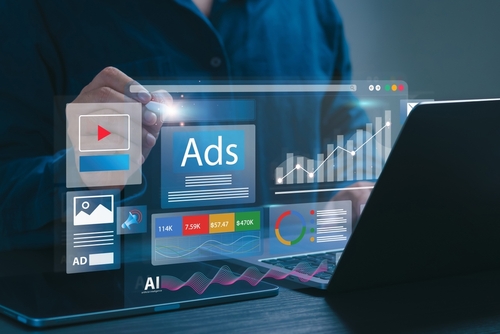 Social media has evolved from a simple networking platform to a powerful business tool. Businesses today use these platforms with billions of active users worldwide to connect with their target audience. Social media allows businesses of all sizes to reach audiences in a way that traditional advertising, such as print or television, cannot.
 As technology evolves, so have data breaches, which have become a significant threat to businesses of all sizes. We frequently hear reports of high-profile attacks on major organizations, global corporations, and even government agencies. Emerging technologies such as generative artificial intelligence and machine learning make cybersecurity more challenging. They enable cybercriminals to automate attacks, create sophisticated phishing schemes, and develop advanced malware to evade traditional security measures. Hence, companies have no choice but to change how they approach cybersecurity.
 Social media has become a powerful tool for helping businesses reach their prospects and customers. By using social media, a business can connect with its audience, build brand awareness, and drive sales. However, many struggle to convert social media engagement – likes, shares, comments, and followers – into tangible business opportunities. Transforming these engagements into actionable leads and sales is where the real power of social media lies. To successfully unlock this potential, businesses must effectively use social media analytics.
 Backlinks are the direct result of successful link-building efforts. The quality and quantity of backlinks a website receives are influenced by the effectiveness of its link-building strategies. Traditionally, link building has been a labor-intensive process, often requiring significant time and resources. However, advances in artificial intelligence (AI) are changing the future of link building. According to a